Clay,slowly
Clay, slowly
Made by hand
Kept for years


Classes andworkshops
 Classes and workshops¥6,500 per person
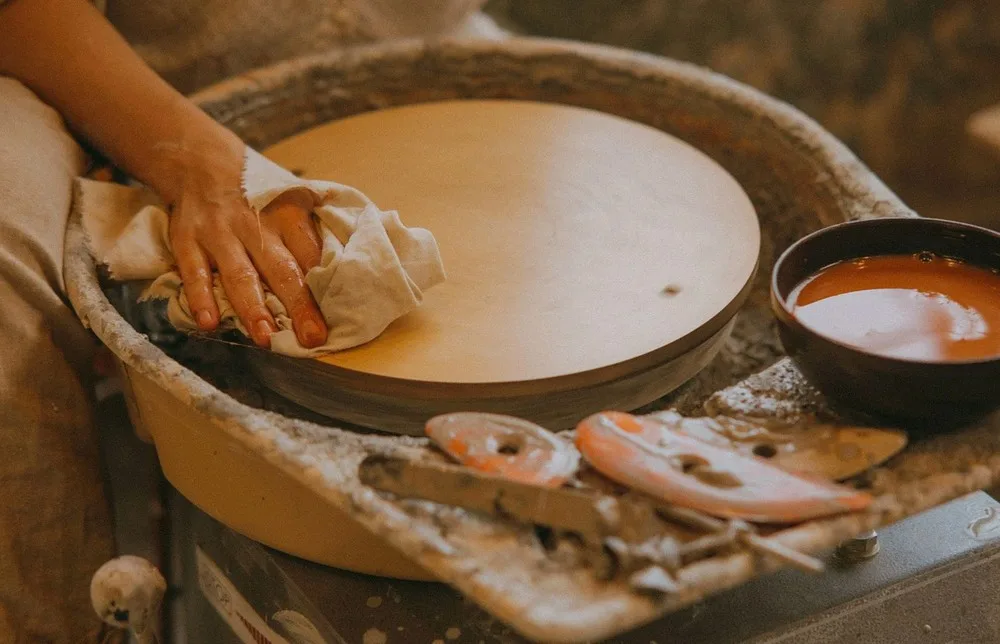
Wheel-throwing introduction
A three-hour session for complete beginners. You will centre, open, and pull up one or two small cylinders. Sakura...
 Classes and workshops¥5,500 per person
Hand-building afternoon
A two-and-a-half-hour workshop focused on slab and coil techniques. Good for people who find the wheel frustrating....
 Classes and workshops¥8,000 per person
Glaze and surface day
A four-hour session for people who have already thrown or built their own pieces elsewhere and want to learn...
 Classes and workshops¥22,000 for four sessions
Monthly throwing circle
A recurring four-session course, one Saturday morning per month. You build a small body of work over four months and...
Classes and workshops
The machiya fits one person working well, and that is the size I intend to keep it.
Classes and workshops
- —Wheel-throwing introduction
- —Hand-building afternoon
- —Glaze and surface day
- —Monthly throwing circle
How the studio works
- —One kiln, one person
- —Tamba clay as a base
- —Small batches only
- —Open studio Saturdays
A pot starts as a lump of grey clay from the hills above Tamba.
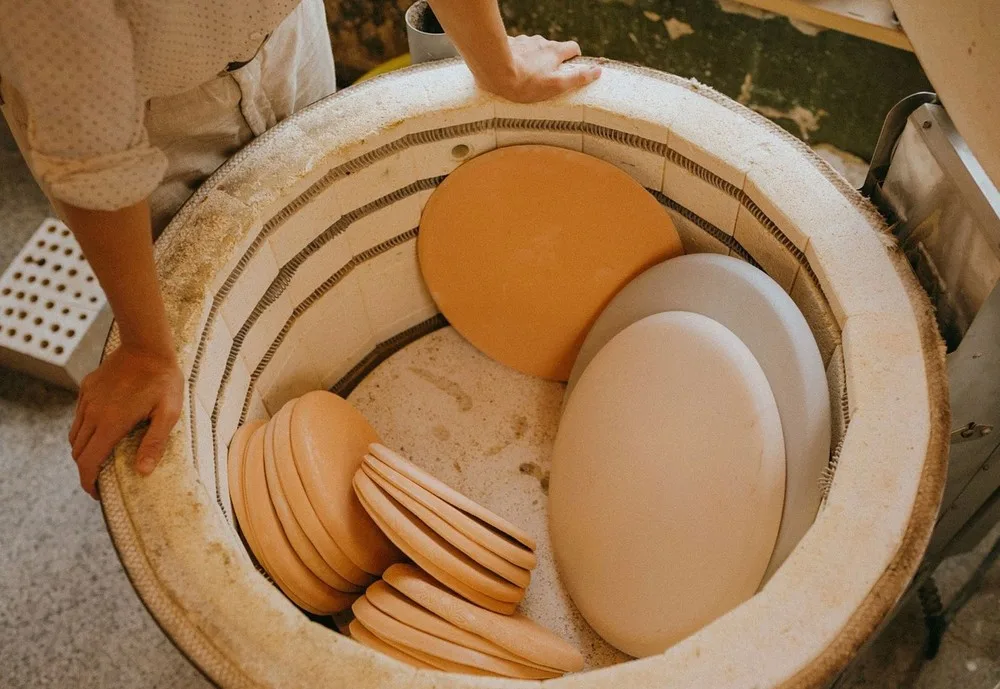
It takes a week to dry, two days to bisque, and one long night in the gas kiln.
Some pieces crack. Those go back to the earth.
The ones that hold together find their way to a table somewhere in Kobe.
News & Announcements
Autumn in the studio: how the season affects the work
Autumn is the season Sakura finds most comfortable for making. The humidity drops after September, the clay dries at a pace that is easier to manage than the rapid summer drying, and the cooler air in the studio makes long throwing sessions less tiring. It also happens to be the season when the Tamba clay body looks its best out of the kiln.
Read more →What to know before commissioning custom tableware in Japan
A custom tableware commission is a longer process than most people expect, and a shorter one than they fear. At Fresh Citadel, the typical lead time for a set of four place settings is two to three months from the first conversation to delivery. This article explains what happens in that time and what you need to think about before getting in touch.
Read more →How to choose a handmade bowl for everyday use
Buying a handmade bowl is different from buying a commercial one, and not only because of the price. A handmade piece has specific qualities that affect how you use it every day, and it is worth knowing what to look for before you choose. This is not about aesthetics, though those matter too. It is about the practical experience of using the piece at breakfast every morning for the next ten years.
Read more →A bit more
Today the studio runs classes on Saturdays, sells work through the gallery and through a small number of restaurants and cafes in Kobe that use her bowls and plates on their tables. Sakura makes everything herself, which means output is limited and the waiting list for custom commissions is usually two to three months. She is not trying to grow the studio into something larger. The machiya fits one person working well, and that is the size she intends to keep it.
The machiya fits one person working well, and that is the size I intend to keep it.“I bought a yunomi two years ago and use it every single morning. The glaze has only gotten better with time.”
— Hiroshi Tanaka, Regular customer, Kobe
Yuki Shimizu
Kenji Mori
A few remarks from people who have taken a class or bought a piece at the Nada Ward studio; they are not a full record of every visitor.
"Sakura Maeda studied ceramics at Kyoto City University of Arts, graduating in 2009, then spent four years as a production assistant at a small kiln in Tamba, where she learned to read the colour of a flame before checking a thermometer. In 2014 she moved to Kobe and worked briefly as a tableware buyer for a department store, which taught her more about what people actually use than any studio had. She opened Fresh Citadel in 2017 in Nada Ward, converting a narrow machiya into a working studio and small gallery. She fires almost everything in a gas reduction kiln she rebuilt herself over one winter. On quiet mornings she tends a small pot of rosemary on the studio windowsill and says it keeps her honest about what a plant needs versus what a pot needs."
Come andsee thework inperson
The gallery is open every Saturday from 11:00 to 17:00. No appointment needed on Saturdays.
Find the Studio